


『Flow Meter Chilled Water Selection: Optimizing HVAC Thermal Energy Sizing with BTU Meters』Related information(v cone flow meter|rotary gas meter|gallon meter|gear meter|metal tube rotameter|glass tube rotameter|nutating disk meter|transit time ultrasonic flow meter|wedge flow meter|pd meters|hydraulic flow meter|ultrasonic water flow meter|water flow meter|air flow meter|magnetic water flow meter|oxygen flow meter|gas flow meter|argon flow meter|air velocity meter|gasoline flow meter|fuel flow meter|ultrasonic water meter|digital water meter|nitrogen flow meter|solid flow meter|Oxygen tank flow meter|digital water flow meter|diesel fuel flow meter|steam flow meter|02 flow meter|compressed air flow meter|oil flow meter|liquid flow meter)

Flow Meter Chilled Water Selection: Optimizing HVAC Thermal Energy Sizing with BTU Meters
Quick Answer: Use an inline electromagnetic flow meter on the chilled water supply or return line. Pair it with two matched PT100 sensors and a BTU calculator for direct kW or BTU thermal energy data. For most HVAC pipes from DN25 to DN300, Silver Instruments SFE series electromagnetic flow meters give ±0.2 percent or ±0.5 percent of reading with no moving parts and near zero pressure drop.
Start With Flow Range and Pipe Size, Not Only Chiller Load
Many HVAC engineers start with chiller capacity. That is useful, but capacity alone is not enough. A 1000 kW chiller with a 5 °C delta T moves about 172 m³/h. The same chiller with a 10 °C delta T moves only 86 m³/h. Flow range changes by a factor of two. So you need the design flow range, not just the chiller kW.
Use this formula in the field: flow rate in L/s equals cooling load in kW divided by 4.18 and then divided by delta T in °C. At 1000 kW and 5 °C delta T, the result is about 47.8 L/s. Convert that to m³/h and you get 172 m³/h. A DN150 pipe runs at about 2.7 m/s. A DN200 pipe runs at about 1.5 m/s. Both velocities are workable. The smaller DN150 saves pipe cost. The DN200 reduces pump energy.
Here is the thing. Most engineers skip part load. They specify a DN200 meter because the pipe is DN200, but actual part load flow is only 60 m³/h. That puts the meter at 25 percent of its range. Accuracy can suffer. Ask for minimum, normal, and maximum flow rates before you select the meter.
Why Electromagnetic Flow Meters Fit Chilled Water Systems
Chilled water is clean, cold, and conductive enough for a magnetic flow meter. Treated HVAC water usually has conductivity above 50 µS/cm. Most glycol mixtures also pass the minimum 5 µS/cm threshold in closed loops. An electromagnetic flow meter has no impeller, no gears, and no turbine blades. Nothing clogs or wears in normal chilled water service.
Pressure drop is almost zero. That matters because chilled water pumps run for long hours. A small pressure drop across a flow meter adds energy cost every year. Vortex and turbine meters insert a flow restriction. Electromagnetic meters do not.
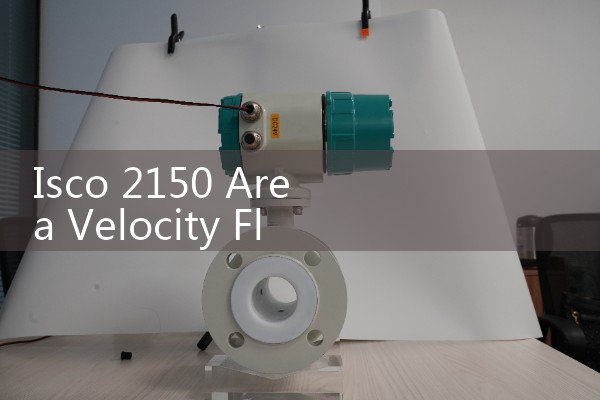
Silver Instruments SFE series inline electromagnetic flow meters cover DN15 to DN600. Standard accuracy is ±0.2 percent of reading when calibrated, with ±0.5 percent as a common field version. The liner can be hard rubber for normal chilled water or PTFE for glycol. Electrodes are 316L stainless steel as standard. Outputs include 4-20 mA HART, pulse, and RS485 Modbus for the BAS.
For large district cooling pipes above DN300, insertion electromagnetic flow meters cost less. The Silver Instruments SFS insertion meter installs through a hot tap or a mounting boss. Accuracy is ±1.0 percent of reading. That is still enough for most thermal energy allocations between buildings.
BTU Meter Configuration and Temperature Sensor Pairing
A BTU meter is not one device. It is a flow meter, two temperature sensors, and an energy calculator. The calculator gets flow from the electromagnetic meter and temperatures from supply and return sensors. It computes thermal power in kW and total energy in kWh or BTU.
Temperature sensor matching matters more than many engineers expect. In chilled water, a typical delta T is 5 °C to 8 °C. If your two sensors differ by 0.1 °C, that error is 2 percent of a 5 °C delta T. Use a matched pair of PT100 or PT1000 sensors. Class A 4-wire PT100 sensors are the normal choice. Install both sensors in thermowells at the same insertion depth.
The Silver Instruments SBT BTU calculator accepts 4-20 mA HART from the flow meter and direct PT100 inputs. It displays flow rate, supply temperature, return temperature, delta T, and thermal power. Pulse output and Modbus are available for building automation.
Four Steps to Select a Chilled Water Flow Meter
Step 1. Collect pipe size in DN, fluid type, glycol percent if applicable, minimum and maximum flow rate, pressure in bar, and supply return temperatures in °C.
Step 2. Check velocity. For chilled water, 1 m/s to 3 m/s is a good working range. Below 0.3 m/s accuracy falls. Above 5 m/s liner wear can increase. Pick the meter size that keeps you inside this range for normal and peak flow
Step 3. Decide if you need flow only or BTU energy. If you need BTU, add the matched PT100 pair and the calculator. Tell us the signal type. 4-20 mA HART is common. Modbus RTU is common for district cooling.
Step 4. Confirm straight run. A standard electromagnetic meter needs about 10D upstream and 5D downstream without a bend, valve, or pump. If space is short, choose a meter with a flow straightener or use an insertion meter with less strict requirements.
Common Mistakes That Inflate HVAC Thermal Energy Measurement
One mistake is installing the flow meter too close to a valve or elbow. We have seen a DN200 meter installed two pipe diameters after a 90 degree bend. The flow profile was distorted. The reading cycled even though the actual flow was steady. Ten pipe diameters upstream fixes this in most cases.
Air bubbles are another issue. Air collects at high points and near the top of the pipe. An electromagnetic meter works best with a full pipe and no air. Install the meter in a low point or a rising line. Do not install it at the top of a horizontal run where air can sit.
Wrong pipe diameter entry is common on insertion meters. If the controller uses DN250 but the actual pipe is DN300, the flow error is large. Verify the inside diameter, not the nominal size. Pipe schedule matters.
Poor temperature sensor placement creates phantom energy. If the return sensor is in a dead leg or a partially mixed zone, the delta T looks wrong. Use thermowells in fully mixed pipe sections.
Where We Have Seen These Meters Work
A district cooling operator in Da Nang, Vietnam uses two DN400 chilled water lines at about 1200 m³/h each. Supply water is 6.5 °C and return water is 12.5 °C. They installed Silver Instruments SFS insertion electromagnetic flow meters and SBT BTU calculators. The meters send Modbus data to a central BAS for tenant energy billing.
A pharmaceutical plant in Jakarta needed a DN80 meter for a 42 m³/h chilled water loop. The client wanted 4-20 mA HART to a Siemens PLC and no moving parts because the line runs 24 hours a day. They selected an SFE inline electromagnetic flow meter with hard rubber liner and 316L electrodes. The meter has run for three years without maintenance.
A food processing site in Jeddah uses a propylene glycol chilled water loop at 20 percent glycol. We supplied an SFE electromagnetic flow meter with PTFE liner and Hastelloy C electrodes, plus matched PT100 sensors. The customer receives both flow and BTU data for energy monitoring.
What to Send Us for a Chilled Water Flow Meter Quote
Send us your fluid type, pipe size in DN, minimum and maximum flow rate in m³/h, supply and return temperatures in °C, pressure in bar, and the signal your BAS or PLC expects. Tell us if you need flow only or a full BTU meter with temperature sensors.
Contact Silver Automation Instruments for a selection check and price. Tel: +86-135-1213-1526. Whatsapp: 86-135-12131526. WeChat: +86 13512131526.
FAQ: 5 Questions Engineers Ask About Chilled Water Flow Meters
Q: Can I install a magnetic flow meter on a chilled water line with glycol?
A: Yes in most cases. Confirm the glycol percentage and conductivity. Silver Instruments can check the fluid before you order. Use a PTFE liner if the fluid includes aggressive additives.
Q: What is the difference between a flow meter and a BTU meter?
A: A flow meter only measures flow. A BTU meter includes a flow meter, two matched temperature sensors, and a calculator. It reports thermal power and total energy.
Q: What accuracy can a chilled water BTU meter achieve?
A: A well selected system can achieve 1 to 2 percent of reading on thermal energy. The main errors come from temperature sensor mismatch and poor placement.
Q: What pipe sizes do these meters cover?
A: Inline electromagnetic flow meters cover DN15 to DN600. Insertion electromagnetic flow meters cover DN1200 or larger. For HVAC building loops, DN25 to DN400 is the most common range.
Q: How do I know if I need an inline or insertion meter?
A: Inline is the first choice for DN300 and below when accuracy matters. Insertion is better for large district cooling pipes where cost and shutdown time matter.
 Hot Blog
 Related AD
