


『Boat Fuel Flow Meter Kit: Sourcing Dual-Line Vessel Fuel Consumption Logs』Related information(v cone flow meter|rotary gas meter|gallon meter|gear meter|metal tube rotameter|glass tube rotameter|nutating disk meter|transit time ultrasonic flow meter|wedge flow meter|pd meters|hydraulic flow meter|ultrasonic water flow meter|water flow meter|air flow meter|magnetic water flow meter|oxygen flow meter|gas flow meter|argon flow meter|air velocity meter|gasoline flow meter|fuel flow meter|ultrasonic water meter|digital water meter|nitrogen flow meter|solid flow meter|Oxygen tank flow meter|digital water flow meter|diesel fuel flow meter|steam flow meter|02 flow meter|compressed air flow meter|oil flow meter|liquid flow meter)

Boat Fuel Flow Meter Kit: Sourcing Dual Line Vessel Fuel Consumption Logs
Quick Answer: A dual line vessel fuel flow meter kit measures supply line flow and return line flow. Net fuel consumption equals supply flow minus return flow. For marine diesel and heavy fuel oil, oval gear meters and Coriolis mass flow meters give the most dependable results. Send us fuel type, pipe size in DN, pressure, temperature, and engine flow range for a specific offer.
What a Dual Line Fuel Flow Meter Kit Covers
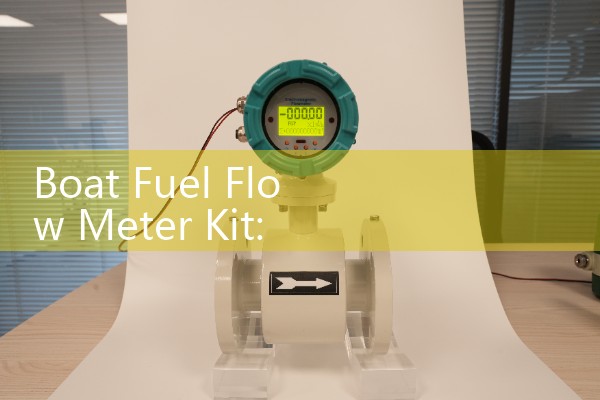
A dual line kit usually includes two flow meters of the same model, two PT100 temperature sensors, a flow computer or totalizer, and pulse or analog output cards. The supply meter sits on the engine feed line. The return meter sits on the return line from the injectors or day tank return. The flow computer subtracts return volume from supply volume. The result is net fuel burned by the engine. This method works for main engines, auxiliary engines, and generators.
Why Two Lines Matter for Marine Fuel Consumption
Many marine engines return heated fuel to the day tank or service tank. If you measure only supply flow, you overstate consumption. A single line can show 1,500 kg/h supply while the engine burns only 950 kg/h. The missing 550 kg/h returns to the tank. Without a return meter, you cannot produce an accurate fuel log. Port authorities and owners often ask for daily consumption records. Dual line measurement gives a defensible number for noon reports, bunker reconciliation, and performance tracking.
Fuel Type and Sensor Selection
Marine gas oil and marine diesel oil are low viscosity fuels. Heavy fuel oil can reach 380 cSt at 50 °C and needs heated lines. Oval gear meters handle viscous fuel well. They give repeatable batch totals with no straight pipe run. Coriolis mass flow meters measure mass directly in kg/h. They are better when density changes or when you need high accuracy at low flow. For a dual line kit, use the same meter type on supply and return to reduce subtraction error.
Recommended Flow Meter Options
For most vessel fuel consumption logs, we recommend these options. Oval gear flow meter for diesel and heavy fuel oil from DN10 to DN50, pressure up to 40 bar, temperature up to 150 °C, accuracy of plus or minus 0.5 percent of rate. Coriolis mass flow meter for DN15 to DN80 fuel lines, pressure up to 100 bar, temperature up to 150 °C, accuracy of plus or minus 0.2 percent of rate. We have supplied both types to fishing vessels in Southeast Asia, tugboats in the Gulf, and cargo ships in Latin America.
Dual Line Fuel Consumption Logging Options
A flow computer receives pulse or 4-20 mA HART signals from both meters. It calculates totalized supply, totalized return, and net consumption. You can log data on an SD card or send it over Modbus RTU to the engine room alarm and monitoring system. Some customers use a paperless recorder for 24-hour traces. For larger fleets, we configure RS485 output and a Modbus register map. This helps the chief engineer export daily fuel reports without manual note taking.
Installation Points and Pipe Size
Install the supply meter after the fuel filter and before the engine inlet. Install the return mete
Marine Environment, Approvals, and Signal Output
Salt air and engine room vibration affect sensors. Choose stainless steel bodies and sealed enclosures. For hazardous zones, ask for Ex d or Ex ia protection. Some vessels need DNV, ABS, CCS, or Bureau Veritas type approval. Confirm the flag state and class society early. Standard outputs include pulse, 4-20 mA HART, and RS485 Modbus. We can supply a local indicator with a gross or net total display.
Real Customer Example
Last year a customer in Vietnam asked for a dual line diesel consumption kit for a 1,200 kW auxiliary engine. The supply line was DN32 and the return line was DN25. Fuel temperature at the meter was 70 °C and pressure was 8 bar. We supplied two stainless oval gear meters, one flow computer, and PT100 sensors. The chief engineer now records net consumption every six hours. The numbers match the bunker tank soundings within 2 percent.
How to Source the Right Kit
Start with four values. Fuel type, minimum and maximum engine flow in kg/h, pipe size in DN, and operating pressure and temperature. Then decide if you need a marine class certificate. Send us these details by phone or WhatsApp. We will select the meter size, wetted material, and output board. We also provide a wiring diagram and Modbus register list. Our sales team ships to Southeast Asia, Oceania, Latin America, Africa, and the Middle East.
Contact Silver Automation Instruments
Tel: +86-135-1213-1526
Whatsapp: 86-135-12131526
WeChat: +86 13512131526
Tell us your fuel type, engine flow range, pipe size in DN, pressure in bar, and temperature in °C. You will get a fixed quote and a recommended model from our marine flow meter range.
Frequently Asked Questions
What is included in a dual line boat fuel flow meter kit?
A typical kit has two flow meters, two temperature sensors, a flow computer or totalizer, and output modules for 4-20 mA or Modbus. Some kits add removable SD card logging.
How do you calculate net fuel consumption?
Supply flow minus return flow equals net consumption. The flow computer does this automatically. It logs totalized values for each line and a net total.
Which meter works for heavy fuel oil at 380 cSt?
Oval gear meters handle high viscosity well. Coriolis mass meters also work and give direct mass flow in kg/h. Both need consideration of fuel temperature and line pressure.
Can the kit connect to my engine room monitoring system?
Yes. Common outputs include pulse, 4-20 mA HART, and RS485 Modbus RTU. We can match your current alarm and monitoring panel or PLC.
What details do I need to send for a quote?
Send fuel type, engine flow range in kg/h or litres per hour, pipe size in DN, pressure in bar, temperature in °C, and marine class society if required.
 Hot News
 Related AD
