


『Cfm Flow Meter for Air Compressor: Pneumatic Tool System Efficiency Auditing』Related information(v cone flow meter|rotary gas meter|gallon meter|gear meter|metal tube rotameter|glass tube rotameter|nutating disk meter|transit time ultrasonic flow meter|wedge flow meter|pd meters|hydraulic flow meter|ultrasonic water flow meter|water flow meter|air flow meter|magnetic water flow meter|oxygen flow meter|gas flow meter|argon flow meter|air velocity meter|gasoline flow meter|fuel flow meter|ultrasonic water meter|digital water meter|nitrogen flow meter|solid flow meter|Oxygen tank flow meter|digital water flow meter|diesel fuel flow meter|steam flow meter|02 flow meter|compressed air flow meter|oil flow meter|liquid flow meter)

CFM Flow Meter for Air Compressor: Pneumatic Tool System Efficiency Auditing
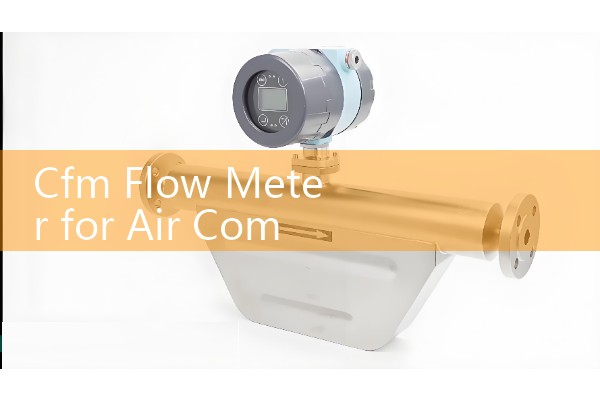
Quick answer: A CFM flow meter for air compressor systems measures actual compressed air flow in cubic feet per minute. It helps you audit pneumatic tool system efficiency with hard numbers. Typical Silver Instruments models cover pipe sizes from DN15 to DN200 and output 4-20 mA HART plus Modbus RTU.
Most plants know how much electricity their air compressors use. Very few know how much air actually reaches the pneumatic tools. That gap is where compressed air system waste hides. A CFM flow meter closes the gap.
Why a CFM Flow Meter Matters for Pneumatic Systems
Compressed air is one of the most expensive utilities in a plant. A small leak in a DN25 branch line can waste several hundred cubic feet per day. Without a flow meter you cannot see that loss in the monthly electricity bill. The compressor just runs longer. A CFM flow meter gives you a real time reading of air delivery.
In practice most engineers skip this part. They check pressure at the compressor outlet and assume the system is fine. Pressure is not flow. A closed valve shows full pressure and zero flow. Because of this we always recommend measuring flow at the compressor discharge header and at critical branch lines.
What to Measure in a Compressed Air Audit
A useful air audit records flow, pressure, temperature, and compressor run time. The CFM flow meter covers flow. A pressure transmitter covers the pressure. Temperature sensors or built in temperature compensation keep the readings stable. Record data over at least seven days. That period covers shifts, tool changes, and leaks. The key number is total CFM per working hour and CFM per unit of production.
For example a paint manufacturer in Southeast Asia ran three 75 kW screw compressors for a 40 tool production line. Their baseline airflow was 920 CFM at 6.9 bar. After fixing leaks and changing two oversized drops the flow dropped to 810 CFM. The compressor run time fell by 14 percent.
Recommended Flow Meter Types for Air Compressor CFM
Silver Instruments supplies two main flow meter types for compressed air. Thermal mass flow meters work well for dry air lines from DN15 to DN100. They give direct mass flow and display CFM, SCFM, Nm3/h, or kg/h at standard conditions. Accuracy is usually plus or minus 1.5 percent of reading with a 100 to 1 turndown. The insertion style meters can be installed through a ball valve without shutting down the header.
Vortex flow meters work better for larger lines from DN50 to DN200 or when the air has moisture or oil carryover. They measure volumetric flow and need less straight pipe than some other meter types. Output options include 4-20 mA, pulse, and RS485 Modbus. A PT100 temperature sensor is optional for corrected display. Optional ATEX Zone 1 certification is available for the remote transmitter and sensor.
For a pneumatic tool audit we normally recommend a thermal mass flow meter at the compressor discharge and at each major drop line. Inline meters are best for new projects. Insertion meters are better for retrofit work. Send us the pipe size in DN, the air pressure in bar, and the expected flow range in CFM. We will pick the right model.
Installation Points That Affect Measurement Accuracy
Flow meter accuracy depends a lot on installation. Avoid dead legs, partially open valves, and short straight runs. For thermal mass meters
If you mount a flow meter before the dryer you will measure wet air and a higher total volume. That can confuse the audit. In practice it is better to measure at the same point every day. Consistency matters more than a perfect location.
Here is the thing. A customer in Mexico installed a flow meter downstream of a tee with only 3 DN of straight run. The reading jumped around by plus or minus 8 percent. After moving the meter 12 DN downstream the signal settled to plus or minus 2 percent.
A Small Plant Audit Example
Last year a customer in Vietnam asked us about six compressed air lines feeding 40 pneumatic tools. They were losing nearly 18 percent of compressed air through leaks. We supplied three inline thermal mass flow meters on DN50 headers. The audit showed a 12 percent pressure drop at the far end of the line. After replacing leaky fittings the compressor run time dropped. The total project paid back in four months.
This pattern repeats in many plants. The flow meter gives visibility. Without it you are guessing. With it you can assign cost to leaks and fix the worst ones first.
FAQ: Five Questions Engineers Ask
Question 1: What flow range do I need for a 100 hp compressor? A 100 hp rotary screw compressor typically produces 350 to 450 CFM at 100 psi. Choose a CFM flow meter with a range of 0 to 600 CFM or a bit higher for future capacity. Provide the actual compressor model for a better match.
Question 2: Can I install a CFM flow meter without stopping production? Yes in many cases. Insertion thermal mass flow meters use a hot tap installation through a ball valve. The line stays pressurized. Shut down is only needed if the pipe is not fitted with an isolation valve.
Question 3: Should I pick thermal mass or vortex for compressed air? For dry air and low flow rates below 100 CFM thermal mass is better. For larger lines from DN50 to DN200 and air with moisture or oil carryover vortex is often better. Send us the air quality and pipe size and we will confirm.
Question 4: Do I need pressure and temperature compensation to get CFM? Thermal mass flow meters give mass flow directly. The electronics can display line CFM or standard SCFM using the measured temperature and an input pressure value. Vortex meters measure volumetric flow. A pressure transmitter improves the standard flow calculation.
Question 5: Which output is best for a plant monitoring system? Use 4-20 mA HART for analog integration. Use RS485 Modbus RTU for digital data to a PLC or paperless recorder. Silver Instruments can supply both on the same meter.
Contact Silver Automation Instruments
We supply CFM flow meters for air compressor and pneumatic tool system audits to customers in Southeast Asia, Oceania, Latin America, Africa, and the Middle East. Send us your pressure (bar), temperature (°C), pipe size (DN), and flow range (CFM or Nm3/h). We will recommend a flow meter and return a quote.
Visit flow-meter.com.au for the full range.
Tel: +86-135-1213-1526
WhatsApp: 86-135-12131526
WeChat: +86 13512131526
 Hot News
 Related AD
