


『Electromagnetic Flow Meter Liner Selection Requirements』Related information(v cone flow meter|rotary gas meter|gallon meter|gear meter|metal tube rotameter|glass tube rotameter|nutating disk meter|transit time ultrasonic flow meter|wedge flow meter|pd meters|hydraulic flow meter|ultrasonic water flow meter|water flow meter|air flow meter|magnetic water flow meter|oxygen flow meter|gas flow meter|argon flow meter|air velocity meter|gasoline flow meter|fuel flow meter|ultrasonic water meter|digital water meter|nitrogen flow meter|solid flow meter|Oxygen tank flow meter|digital water flow meter|diesel fuel flow meter|steam flow meter|02 flow meter|compressed air flow meter|oil flow meter|liquid flow meter)

Electromagnetic Flow Meter Liner Selection Guide
Quick Answer: The liner in an electromagnetic flow meter isolates the metal pipe from the process fluid. Pick a liner material that withstands your fluid temperature, chemical corrosion, and abrasion. For most water applications, hard rubber or polyurethane works well. For aggressive acids and high temperatures, PTFE or PFA is the safe choice.
We have seen too many flow meters fail early because the liner was not specified correctly. A paint manufacturer in Vietnam contacted Silver Automation Instruments last year. They measured water-based latex paint with a magmeter that had a standard hard rubber liner. After three months, the liner swelled and peeled away. The replacement meter we built for them used PTFE. No issues since. That small detail saved them a production shutdown.
Why the Liner Is the First Thing We Ask About
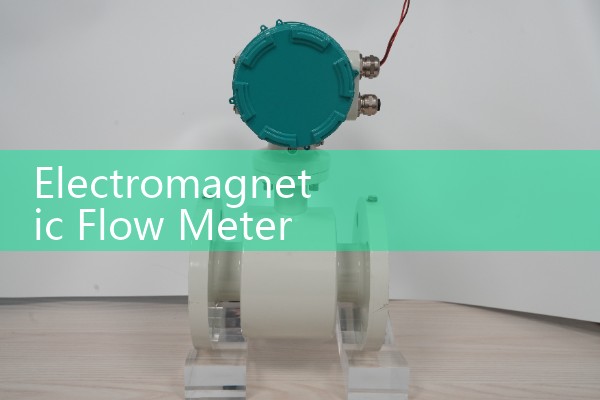
An electromagnetic flow meter works by Faraday’s law. Two coils outside a non-conductive pipe generate a magnetic field. Conductive liquid flowing through it induces a voltage. Electrodes pick up that signal. The pipe must be electrically insulating. A metal spool would short the signal. So every magmeter must have a liner. The liner is the only barrier between the fluid and the meter body. If the liner fails, the meter output becomes erratic. In the worst case, the process leaks to the environment.
Most engineers skip this part and jump straight to flange rating or output signal. In practice, we ask customers first: what is your fluid? Is it acidic or alkaline? Do you have any solids? Temperature and pressure come next. After that we discuss DN size and connection. Here is the thing: a DN50 meter with the wrong liner can cost you ten times more in downtime than the meter itself.
Liner Materials That Cover Most Industrial Needs
Silver Automation Instruments stocks magmeters with liners in five common materials. Hard rubber, soft rubber, PTFE, PFA, and polyurethane. We also do special requests on Hastelloy or ceramic for extreme cases. But 9 out of 10 applications land on one of the main five.
Hard rubber (ebonite) is the workhorse for clean water, wastewater, and weak chemicals. Temperature range typically from -5 °C to 80 °C. Do not use it with hydrocarbons, oils, or solvents. These fluids cause the rubber to swell. A water utility in Australia runs 30 of our DN200 hard rubber magmeters on potable water. They last ten years with minimal maintenance.
Soft rubber (neoprene) handles slightly higher abrasion than hard rubber. We use it for seawater and brine applications with low solids. Temperature stays between 0 °C and 70 °C. A desalination plant in the Middle East chose soft rubber for their brine lines because PTFE was overkill and too expensive for DN300 pipes. Their liner condition looks good after five years.
PTFE (Teflon) dominates in chemical plants. It resists almost all acids, alkalis, and solvents up to 150 °C. The caveat: PTFE does not like steam or sudden temperature shocks. We have seen liner cracks when a process jumps from 20 °C to 140 °C in seconds. A food ingredient producer in Thailand uses PTFE for hot syrup at 120 °C. No problem because the temperature change is gradual. PTFE is also the go-to for sanitary applications with CIP cleaning. But PTFE is more expensive than rubber and harder to mold in large sizes above DN600.
PFA is a step up from PTFE. Melt-processable, smoother surface, better vacuum resistance, and works up to 180 °C. We recommend PFA for ultra-pure water, strong oxidizing acids, and processes with vacuum conditions. A pharmaceutical plant in Brazil ordered DN25 PFA magmeters for WFI (water for injection) loops. The smooth surface prevents biofilm buildup. PFA costs about 30% more than PTFE, but for such use it is the standard.
Polyurethane (PU) is our choice f
Matching the Liner to the Process Parameters
Always check four numbers before you pick a liner. Fluid temperature, pipeline pressure, particle size and concentration, and chemical compatibility. Do not rely on a generic chemical resistance table from the internet. Those tables often miss concentration limits. A 5% sulfuric acid at room temperature is fine with hard rubber. At 50% concentration and 60 °C, it eats rubber in days. Silver Automation Instruments can run a compatibility check if you send us your exact process data.
For vacuum lines, a solid PTFE liner can collapse at negative pressure unless it is properly bonded or supported. We had a customer in Singapore doing yeast extraction. Their process cycled between vacuum and 2 bar pressure. The standard PTFE liner deformed and blocked the electrode. We moved them to a PFA liner with a reinforced back, and the meter ran stable.
Pressure ratings also matter for liner selection. Meters with rubber liners typically go up to PN16 or PN25. PTFE and PFA liners can handle PN40 and higher if the meter body is designed for it. Very high pressure classes like PN63 or PN100 often require ceramic or special construction. Send us your pipe rating, and we will advise.
Liner and Electrode Pairing: A Quick Note
The liner material often dictates what electrode material you can use. For abrasive fluids with polyurethane liners, we pair tungsten carbide electrodes. Hastelloy B or C electrodes go with PTFE for strong acids. Titanium electrodes suit seawater with soft rubber liners. Do not mix the wrong electrode with a perfect liner. You just move the weak point to the sensor tip.
FAQ: Liner Selection Questions We Hear Every Day
What is the best liner for seawater and brine? Soft rubber (neoprene) works for most seawater applications below 70 °C. For brine with chlorine residuals, we recommend PTFE or PFA to eliminate swelling risk. Titanium electrodes are standard with any seawater liner.
Can I use PTFE in high temperature but high vibration piping? PTFE works up to 150 °C but does not absorb vibration well. If vibration is severe, the liner may crack. We often suggest a PFA liner with a reinforced bond layer or a ceramic meter for such conditions.
How do I select a liner for food and beverage applications? PTFE or PFA satisfy FDA and 3-A sanitary standards. Both handle CIP chemicals and steam sterilization if the temperature does not exceed the liner rating. Polyurethane appears in some cold-milk lines, but PTFE covers most needs.
The fluid has sand and solids. What liner resists abrasion best? Polyurethane is the top choice. Hard rubber is okay for occasional sand. If you have high velocity sand, go with PU and tungsten carbide electrodes. A ceramic meter is an alternative for extreme abrasion but costs much more.
What is the cost difference between PFA and PTFE for a DN100 meter? A DN100 magmeter with PFA liner is about 25-35% more than the same model with PTFE. The price gap shrinks for larger sizes because manufacturing complexity rises for big PTFE liners anyway. For most chemical duties, PTFE is enough. For ultra-clean or vacuum-resistant needs, PFA is worth the extra cost.
Send us your media type, temperature, pressure, pipe size, and flow range. Our engineers at Silver Instruments will recommend the right liner and electrode combination. No generic marketing. We just give you a part number that fits. See our full range of electromagnetic flow meters on our website.
 Hot Blog
 Related AD
