


『engine oil flow meter』Related information(v cone flow meter|rotary gas meter|gallon meter|gear meter|metal tube rotameter|glass tube rotameter|nutating disk meter|transit time ultrasonic flow meter|wedge flow meter|pd meters|hydraulic flow meter|ultrasonic water flow meter|water flow meter|air flow meter|magnetic water flow meter|oxygen flow meter|gas flow meter|argon flow meter|air velocity meter|gasoline flow meter|fuel flow meter|ultrasonic water meter|digital water meter|nitrogen flow meter|solid flow meter|Oxygen tank flow meter|digital water flow meter|diesel fuel flow meter|steam flow meter|02 flow meter|compressed air flow meter|oil flow meter|liquid flow meter)
 Here is a comprehensive English article on the topic of **Engine Oil Flow Meters**.
---
### The Critical Role of Engine Oil Flow Meters in Modern Machinery
In the complex world of internal combustion engines and industrial machinery, lubrication is not merely a good practice—it is a necessity for survival. Oil reduces friction, dissipates heat, cleans internal components, and prevents wear. However, simply having oil in the system is not enough; the *rate* at which that oil circulates is a critical parameter. This is where the **engine oil flow meter** comes into play. These specialized devices are essential for monitoring, managing, and optimizing the lifeblood of an engine.
#### What is an Engine Oil Flow Meter?
An engine oil flow meter is an instrument designed to measure the volumetric or mass flow rate of lubricating oil circulating through an engine’s lubrication system. Unlike simple pressure gauges, which only tell you if the pump is working, a flow meter provides a real-time insight into the health and efficiency of the entire circuit. They are used in a wide variety of applications, from small automotive engines to massive marine diesel engines and industrial turbines.
#### Why is Measuring Oil Flow Important?
Continuous oil flow monitoring offers several critical advantages:
1. **Engine Health Diagnostics:** A sudden drop in oil flow can indicate a failing oil pump, a clogged filter, a blocked oil passage, or excessive bearing clearance. Conversely, an unexpected increase might signal a leak in the system or a failure of a pressure relief valve. By tracking flow rates, technicians can identify problems before they lead to catastrophic engine failure.
2. **Predictive Maintenance:** By tracking gradual
Here is a comprehensive English article on the topic of **Engine Oil Flow Meters**.
---
### The Critical Role of Engine Oil Flow Meters in Modern Machinery
In the complex world of internal combustion engines and industrial machinery, lubrication is not merely a good practice—it is a necessity for survival. Oil reduces friction, dissipates heat, cleans internal components, and prevents wear. However, simply having oil in the system is not enough; the *rate* at which that oil circulates is a critical parameter. This is where the **engine oil flow meter** comes into play. These specialized devices are essential for monitoring, managing, and optimizing the lifeblood of an engine.
#### What is an Engine Oil Flow Meter?
An engine oil flow meter is an instrument designed to measure the volumetric or mass flow rate of lubricating oil circulating through an engine’s lubrication system. Unlike simple pressure gauges, which only tell you if the pump is working, a flow meter provides a real-time insight into the health and efficiency of the entire circuit. They are used in a wide variety of applications, from small automotive engines to massive marine diesel engines and industrial turbines.
#### Why is Measuring Oil Flow Important?
Continuous oil flow monitoring offers several critical advantages:
1. **Engine Health Diagnostics:** A sudden drop in oil flow can indicate a failing oil pump, a clogged filter, a blocked oil passage, or excessive bearing clearance. Conversely, an unexpected increase might signal a leak in the system or a failure of a pressure relief valve. By tracking flow rates, technicians can identify problems before they lead to catastrophic engine failure.
2. **Predictive Maintenance:** By tracking gradual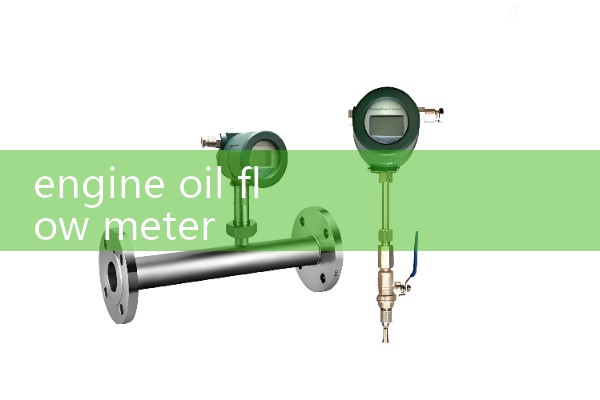
 Hot Blog
 Related AD
