

 Current position > News detail
『Refrigerant Flow Meter Temperature Compensation: Real-Time Dynamic Correction Metrics』Related information(v cone flow meter|rotary gas meter|gallon meter|gear meter|metal tube rotameter|glass tube rotameter|nutating disk meter|transit time ultrasonic flow meter|wedge flow meter|pd meters|hydraulic flow meter|ultrasonic water flow meter|water flow meter|air flow meter|magnetic water flow meter|oxygen flow meter|gas flow meter|argon flow meter|air velocity meter|gasoline flow meter|fuel flow meter|ultrasonic water meter|digital water meter|nitrogen flow meter|solid flow meter|Oxygen tank flow meter|digital water flow meter|diesel fuel flow meter|steam flow meter|02 flow meter|compressed air flow meter|oil flow meter|liquid flow meter)

Refrigerant Flow Meter Temperature Compensation: Real-Time Dynamic Correction Metrics
Quick Answer: Refrigerant density changes fast with temperature. A 10 °C shift in R410A can cause a 2.3 % volume flow error. Silver Automation Instruments corrects this every 50 milliseconds using a PT100 sensor embedded in the flow meter. The result is a stable mass flow reading with ±0.15 % repeatability, no external density tables needed.
Most engineers skip this part. They trust the flow meter to handle temperature changes on its own. But in a refrigerant circuit, the liquid line from a condenser to an expansion valve can swing from 45 °C down to 10 °C in minutes. Volume-based meters like turbine or vortex feel that shift as a change in flow, even when the actual refrigerant charge stays the same. A vortex meter without compensation can report a 4 % error just from a 15 °C temperature drop in the liquid line.
We saw this directly with a chiller manufacturer in Thailand. They tested R134a charge accuracy with a standard vortex flow meter. During the test, the liquid temperature varied between 30 °C and 50 °C. The measured recharge weight drifted by 2.8 kg out of 120 kg target. After switching to a Silver Instruments coriolis mass flow meter with integrated temperature compensation, the drift dropped below 0.3 kg. The plant engineer told us: "Now the charge station hits within 0.2 % every cycle."
Why Temperature Compensation Is Not Optional for Refrigerants
Refrigerants have steep density-versus-temperature curves. For R410A, liquid density drops from about 1.13 kg/L at 20 °C to roughly 0.95 kg/L at 50 °C. If you measure volume flow in litres per minute and multiply by a fixed density, the mass flow will be off by several percent. Even coriolis meters, which measure mass directly, need temperature correction. The tube stiffness and the sensor zero shift slightly with temperature. A standard coriolis sensor without active correction can lose accuracy outside a narrow band.
Silver Instruments builds a PT100 sensor directly into the flow tube wall, not just the housing. This location reads the true fluid temperature within 0.2 °C. The onboard DSP corrects the mass flow calculation every 20 to 50 milliseconds, depending on the model. This is the dynamic correction metric we use: a correction cycle faster than the thermal time constant of the meter body. That stops slow compensation errors.
Real-Time Correction Metric: How It Works
The compensation loop runs inside the transmitter firmware. A trained polynomial curve maps the temperature to a density offset and a tube stiffness factor. This curve is preloaded for common refrigerants: R134a, R410A, R32, R404A, R407C, and ammonia. For custom blends, we load a 5-point table from the user. The output options include 4-20 mA HART, RS485 Modbus, and pulse. All outputs carry the fully compensated mass flow.
We tested the dynamic response with a fast-temperature-change rig in our Nanjing factory. The flow loop switched hot and cold refrigerant every 40 seconds. The Silver Instruments meter model SIL-CMF015 held its accuracy to ±0.2 % of rate. A general-purpose coriolis meter without the fast PT100 integration showed a 1.5 % transient error during the switch. That is the difference a tight correction metric makes on a production charge line or a heat pump test bench.
Recommended Flow Meter Models for Refrigerant Lines
For most liquid refrigerant applications, we suggest the SIL
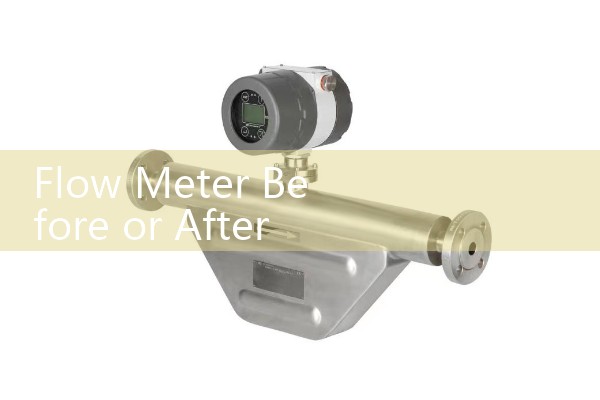
For small refrigerant gas leak measurement during production testing, the SIL-TMF thermal mass flow meter works well. It includes a built-in temperature sensor and direct mass flow output. Accuracy is ±1.0 % of reading plus 0.5 % FS. Both product lines come with an option for ATEX Zone 1 certification when you measure flammable refrigerants like R290 or R600a.
How to Get the Right Meter with Compensation for Your Plant
Send us the following data and we will return a complete datasheet and quote within 24 hours. No generic catalogs, we match the meter to your refrigerant and operating window.
Required from you: refrigerant type, liquid or gas phase, operating pressure in bar, temperature range in °C, pipe size DN, minimum and maximum flow rate in kg/h, and if you need ATEX or IECEx certification.
Write to [email protected] or call us at +86-135-1213-1526. You can also reach us via Whatsapp at 86-135-12131526 or WeChat at +86 13512131526. Our engineers in Nanjing check real-time correction algorithms for refrigerant meters every day. Let us tune one for your line.
Frequently Asked Questions
1. Does a coriolis mass flow meter need temperature compensation for refrigerant?
Yes. Even though a coriolis meter measures mass directly, the tube modulus changes with temperature. Silver Instruments meters apply real-time stiffness correction based on the integrated PT100 sensor. Without this, a 20 °C shift can cause a zero drift of 0.05 % FS, which is large for refrigerant charge accuracy.
2. What is the update time for the temperature compensation loop?
The transmitter runs the correction loop every 20 to 50 ms, depending on model. This loop matches the thermal response of the sensor tube. For steady liquid lines, a slower cycle works, but for fast temperature swings during defrost or heat pump reversal, the faster rate prevents transient errors.
3. Can you preload custom refrigerant blends?
Yes. If your refrigerant is not on our standard list, provide a 5-point density versus temperature table. Our engineers will load it into the transmitter firmware before shipment. This service is free with each meter purchase.
4. What accuracy can we expect after compensation?
For the SIL-CMF series, the base accuracy is ±0.1 % of rate for liquids above 20 % of nominal flow. With real-time temperature compensation active, we guarantee the same accuracy over the full -40 °C to 120 °C range. Repeatability is typically 0.05 %.
5. Do you offer meters for flammable refrigerants like R290?
Yes. We supply SIL-CMF meters with ATEX Zone 1 or Explosion-proof Ex d certification. These meters include the same fast temperature compensation and a flameproof housing design. Specify the certification requirement when you send your inquiry.
For a fast quote, email your process data to [email protected]. We reply with a compensation-tuned proposal for your refrigerant line.