

 Current position > News detail
『Gas Mass Flow Meter: Managing Pressure Changes』Related information(v cone flow meter|rotary gas meter|gallon meter|gear meter|metal tube rotameter|glass tube rotameter|nutating disk meter|transit time ultrasonic flow meter|wedge flow meter|pd meters|hydraulic flow meter|ultrasonic water flow meter|water flow meter|air flow meter|magnetic water flow meter|oxygen flow meter|gas flow meter|argon flow meter|air velocity meter|gasoline flow meter|fuel flow meter|ultrasonic water meter|digital water meter|nitrogen flow meter|solid flow meter|Oxygen tank flow meter|digital water flow meter|diesel fuel flow meter|steam flow meter|02 flow meter|compressed air flow meter|oil flow meter|liquid flow meter)

Gas Mass Flow Meter: Managing Pressure Changes
Quick Answer
Gas mass flow meters measure mass flow directly. A pressure change does not alter the mass reading if the meter is well designed. Real plants see temporary spikes and profile shifts. Silver Instruments thermal mass flow meters use fast sensor response and built-in pressure compensation to keep readings stable from 1 bar to 20 bar.
Why Pressure Changes Matter in Gas Flow
Line pressure in a gas pipe is never flat. A biogas plant in Thailand might see pressure swing from 6 bar to 3 bar when a new digester goes online. A nitrogen purge line in a Chilean copper mine can jump from 4 bar to 9 bar in seconds. Thermal mass flow meters rely on convective heat transfer. That transfer coefficient depends on gas density and velocity. A sudden pressure spike changes both. The raw sensor signal can drift 3 to 5 percent for a few seconds. For a 50 kg/h methane line, that means a 2.5 kg/h phantom error. Engineers in oil and gas and chemical metering need clean data even during plant transients.
How Silver Instruments Meters Handle Pressure Swings
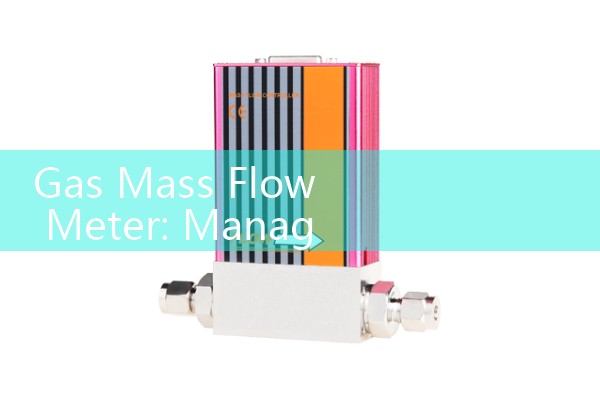
We build the SIL-TMF-3100 with an onboard pressure transmitter. The meter samples pressure every 200 ms. It recalculates the heat transfer coefficient and corrects the mass flow without an external PLC. The sensor element is a platinum RTD pair in a 316L probe. A third PT100 measures the gas temperature. Common output is 4-20 mA HART and Modbus RTU. You get real mass flow in kg/h or slpm direct from the electronics. For dirty biogas or landfill gas, we recommend the SIL-TMF-3200 with a purging port and 40 bar rating. Both models meet ATEX Zone 1 requirements. In practice, most sites do not need the onboard pressure sensor if the gas composition is fixed and pressure changes are slower than 0.5 bar per second. We have seen this on customer sites many times. A paint manufacturer in Vietnam ran compressed air at 7 bar with slow turndown. Their mass flow stayed within 1 percent using a basic SIL-TMF-2000 without live pressure input.
Installation Tips to Reduce Pressure-Related Errors
Do not mount the meter directly downstream of a pressure regulator. The high-speed jet and cold gas pocket distort the profile. Place the meter at least 15 pipe diameters after the regulator, or 10 diameters after a simple elbow. Use a DN15 to DN50 pipe size for typical flows below 500 kg/h. Install a straightening vane if you have tight space. We often ship a spool piece with the meter to a water treatment plant in Australia. Because the customer had only 8 diameters of straight run. The spool piece cut the installation time and kept accuracy within 1.5 percent even during pump start-up. Another trick: if your gas is wet, slope the pipe 2 degrees
Real-World Example: A Biogas Project in Nigeria
Last year a customer in Lagos reached out. They measure biogas flow from two digesters. The pipeline pressure moves between 2 bar and 8 bar as gas storage fills. Their old meter needed an external pressure transmitter and a flow computer. The signal still had spikes during compressor cycles. We supplied three SIL-TMF-3100 units with onboard pressure compensation. The meters talk to a small PLC via Modbus. The plant now logs stable mass flow, standard volume, and gas temperature every second. The maintenance team no longer calls the instrument vendor on weekends. We have similar setups running in a chicken farm biogas plant in Indonesia and a landfill project in Durban.
Frequently Asked Questions
1. Do thermal mass flow meters need external pressure sensors to correct for density? For fixed gas composition, a thermal meter does not need density correction. It reads mass directly. If the gas mix changes often, an external pressure sensor plus a dedicated channel on the meter can apply live compensation. The SIL-TMF-3100 has this built in.
2. What is the maximum pressure the SIL-TMF series can handle? The standard probe is rated for 20 bar. The heavy-duty SIL-TMF-3200 model goes up to 40 bar. Both use 316L stainless steel wetted parts suitable for natural gas, nitrogen, and ammonia.
3. Can pressure drops cause a negative flow reading? In rare cases, a fast pressure drop can create a momentary backflow. The meter will show a small negative spike. You can set a low-flow cut-off at 0.5 percent of full scale to ignore these artifacts.
4. What pipe sizes and flow ranges do you support? We cover DN8 to DN100. Flow ranges from 0.1 kg/h to 3000 kg/h for air at 1 bar standard conditions. Larger lines need an insertion probe. Tell us your line size and operating pressure. We size the meter for a 10 to 1 turndown.
5. How do I request a quote that accounts for my pressure conditions? Send us your gas type, minimum and maximum pressure in bar, temperature in °C, pipe size in DN, and required flow range in kg/h. Our engineers in Silver Automation Instruments will select the right meter, confirm its accuracy under your pressure envelope, and return a price within one business day. No generic catalog picking.
Send your operating pressure, temperature, pipe size (DN), and flow range to Silver Instruments. We will recommend a gas mass flow meter that holds its accuracy even when your process pressure swings. Email your specs for a specific quotation.